

Ground chicken is one of the most versatile yet misunderstood ingredients in home cooking. Many people avoid it because they assume it’s dry, bland, or lacks the deep flavor of beef. But when prepared the right way, ground chicken can be just as juicy, satisfying, and bold while being lighter, healthier, and more adaptable across cuisines.
This guide is designed to completely change how you think about ground chicken. You’ll learn how to choose the right cuts, make it at home, cook it properly, and transform it into meals that don’t feel like a compromise. If you’ve ever wondered how to make ground chicken taste like beef, this ultimate flavor guide will walk you through proven techniques that chefs and experienced home cooks rely on.
Why Ground Chicken Deserves a Spot in Your Kitchen

Ground chicken is a lean, versatile protein made from minced dark and white poultry meat. While often considered a bland alternative to beef, its neutral flavor profile makes it a superior flavor carrier. When prepared with added fats and umami rich seasonings, it provides a high protein, low saturated fat substitute for traditional red meat.
Why People Think Ground Chicken Is Boring
Most home cooks fail because they treat chicken like beef. To fix this, remember:
- Moisture Loss: Chicken lacks the intramuscular fat of beef; it needs an external fat source.
- Seasoning Depth: It requires 20% more seasoning than beef to achieve the same flavor impact.
- Cooking Time: It reaches safe internal temperature ($165°F$ or $74°C$) faster, leading to overcooking if not monitored.
How to Make Ground Chicken Taste Like Beef
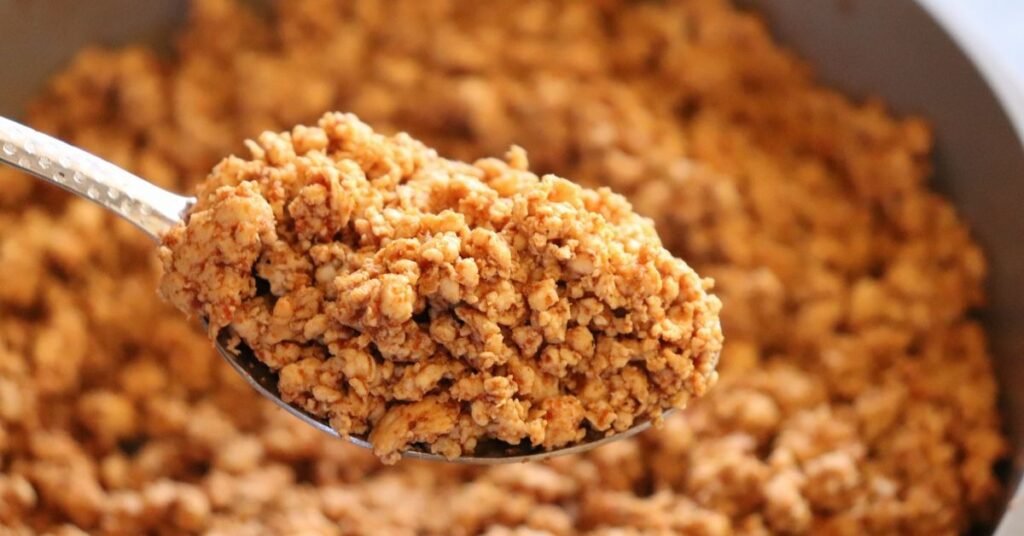
To transform ground chicken into a beef-like experience, you must replicate the fat, color, and umami of red meat.
1. The Umami Beef Flavor Ratio
Add these ingredients per 1 lb (450g) of ground chicken to mimic the savory depth of beef:
- 1 tbsp Soy Sauce or Worcestershire: For deep salt and fermented richness.
- 1 tsp Tomato Paste: Adds meatiness and improves the cooked color.
- 1/2 tsp Smoked Paprika: Mimics the charred flavor of grilled beef.
- 1/4 tsp Mushrooms (Powdered): The ultimate secret for natural beefy flavor.
Strategic Fat Loading
Since chicken is lean, add 1-2 tablespoons of healthy fat (like avocado oil, butter, or even a splash of heavy cream) to the raw mix. This replicates the mouthfeel of an 80/20 ground beef blend.
Texture Matching
Use a pan sear technique. Don’t crowd the pan. Let the chicken develop a dark brown crust (Maillard reaction) before breaking it apart. This crust is where the beefy flavor lives.
Nutritional and Versatility Benefits
Ground chicken isn’t just about taste, it’s also a smart nutritional choice. It provides high quality protein while being lower in saturated fat than many red meats, making it a great option for balanced, everyday meals without sacrificing flavor.
Key benefits include:
- Lower saturated fat compared to beef
- High quality protein for muscle and energy
- Easy to adapt for low carb, high protein, and meal prep diets
From burgers and meatballs to Asian style dishes and weeknight skillets, chicken works across cuisines better than most meats. Once you understand how to handle it correctly, it becomes one of the most reliable ingredients in your kitchen.
If you want juicy, flavorful results, choosing the right chicken is non negotiable. This single decision affects texture, moisture, and how close your final dish gets to that rich, beef like satisfaction many people want.
Most mistakes with chicken start here using cuts that are too lean, ignoring fat balance, or choosing convenience over quality, all of which lead to dry and disappointing results.
Best Cuts for Grinding
Not all chicken cuts behave the same when ground. The ideal choice depends on fat content, flavor depth, and intended use. Some cuts produce a juicy, beef like texture, while others require added fat and careful cooking to avoid dryness.
- Chicken thighs deliver richer flavor and better moisture
- Chicken breasts are lean but require technique to avoid dryness
- Blended cuts offer the best balance for most recipes
If your goal is learning how to make ground chicken taste like beef, fat and muscle balance matter more than anything else.
Ground Chicken Fat vs Lean Balance
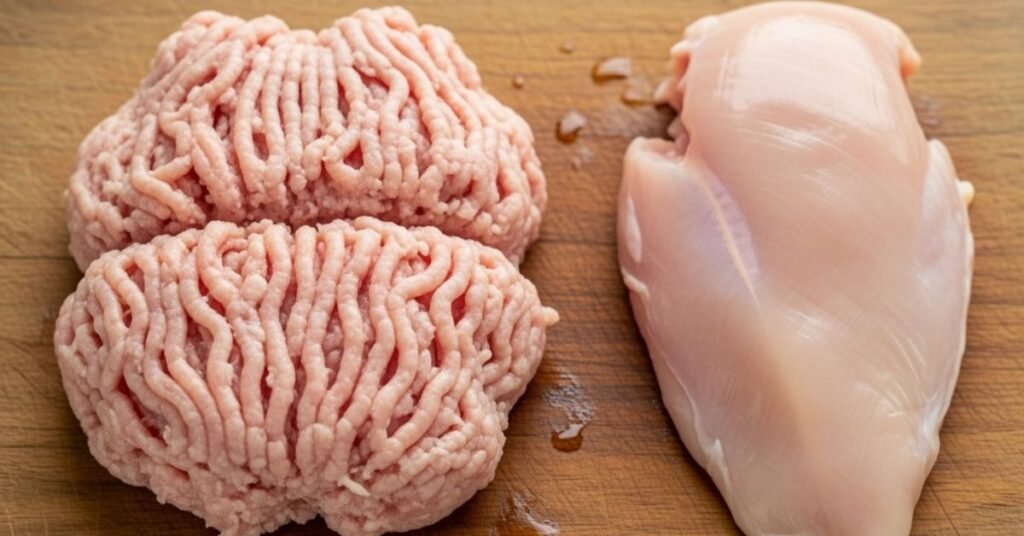
Ground chicken is much leaner than beef, which means it can dry out quickly and lose the depth of flavor people expect from red meat unless you manage fat intentionally. To achieve the perfect balance, consider which cuts you use: thigh meat and blended cuts add natural fat, moisture, and flavor, making your chicken juicier and more satisfying.
Lean cuts like chicken breast work best when combined with a small amount of added fat such as olive oil, butter, or yogurt to keep the texture tender, ensuring your chicken dishes stay flavorful and moist every time.
Key takeaway: Controlling the fat to lean ratio is essential. Using the right balance transforms ground chicken from dry and bland to rich, flavorful, and even beef like in taste and mouthfeel.
| Feature | Ground Chicken (Thigh) | Ground Beef (80/20) | Strategy to Match |
| Saturated Fat | Low (~3g) | High (~9g) | Add 1 tbsp oil/butter |
| Umami Level | Mild | High | Add Soy/Worcestershire |
| Color | Pale/White | Deep Brown | Use Tomato Paste/Paprika |
| Texture | Soft/Fine | Chunky/Firm | Don’t over-process/mince |
SEO Tip: Choosing thigh meat or blended cuts over pure breast ensures consistent texture and juiciness, which is critical for recipes like burgers, meatballs, and skillet dishes.
Choosing the Right Ground Chicken
Image source: foxnews
For a beef substitute, always choose Ground Chicken Thighs or a 70/30 Thigh to Breast blend. Thighs: Contain more iron and fat, making the flavor gamier and closer to red meat.
- Breasts: Too lean; use only for shredded style textures or if you are strictly calorie counting.
When Blended Cuts Work Better Than Single Cuts
Blends are the secret weapon of experienced cooks. Mixing lean and slightly fattier cuts allows better moisture retention, improved texture, and a richer flavor profile that closely mimics beef.
Why blends work:
- Thighs add fat and richness
- Breasts provide structure and protein
- The result mimics beef’s mouthfeel without overpowering flavor
Blended ground chicken is especially effective for:
- Burgers
- Meatballs
- Sliders
- Dishes where beef is traditionally used
Chicken Breast vs Thighs vs Blended Cuts
Each option has a role in knowing when to use which one elevates your cooking. Understanding these differences helps you match the right cut to the right recipe, resulting in better texture, stronger flavor, and more consistent results.
Chicken Breast
- Lean and mild
- Best for light dishes
- Requires added fat and moisture
Chicken Thighs
- Naturally juicy
- Deeper, meatier flavor
- Closest to beef texture on its own
Blended Cuts (Best Overall)
- Balanced flavor
- Moist without being greasy
- Ideal for anyone trying to replace beef
Pro Tip: If you’re replacing beef in recipes, blended cuts give you the highest success rate.
Skin On vs Skinless: Ground Chicken for Flavor and Health
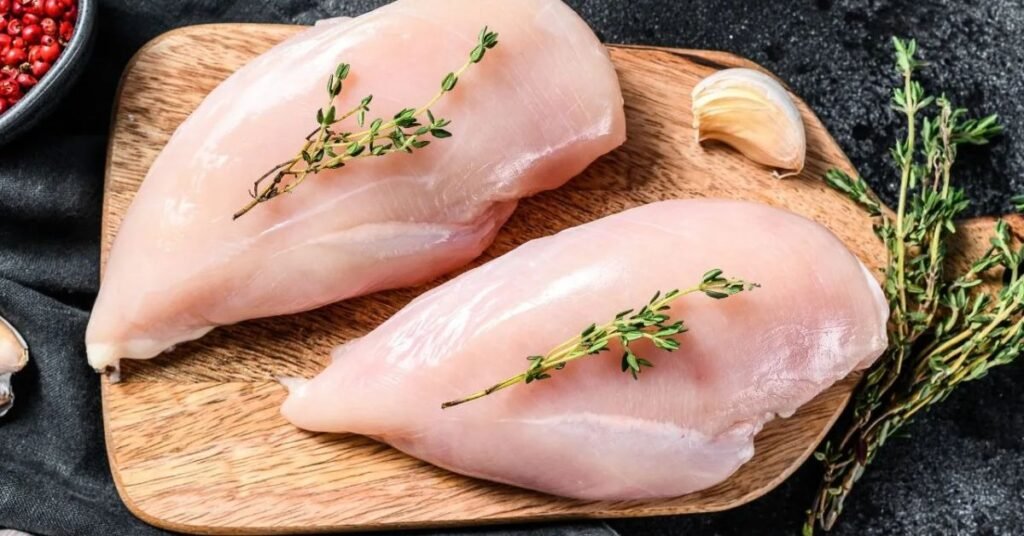
This choice affects both nutrition and taste. Fat content plays a direct role in flavor, moisture retention, and overall mouthfeel, making this decision important for both health goals and cooking results.
Skinless Chicken
- Lower fat
- Cleaner nutrition profile
- Requires oil or moisture additions
Skin On Chicken
- Adds natural fat
- Enhances richness and mouthfeel
- Must be trimmed carefully
For most home cooks, skinless thighs plus a controlled fat addition offer the best balance between flavor and health.
Engagement Tidbit
Think of ground chicken as a blank canvas. The better your base ingredient, the more powerful your final dish becomes.
Final Takeaways: How to Get the Best Results with Ground Chicken

Ground chicken doesn’t have to be bland, dry, or disappointing. When you understand how to choose the right cuts, balance fat, season correctly, and cook with intention, ground chicken becomes one of the most versatile and satisfying proteins you can use. Using thigh meat or blended cuts, adding controlled fat, and layering flavors allows you to create dishes that are rich, juicy, and deeply satisfying, often rivaling traditional beef recipes.
If your goal is learning how to make ground chicken taste like beef, this guide gives you a repeatable framework you can apply to burgers, meatballs, skillets, and more. Don’t be afraid to experiment with seasonings, textures, and cuisines chicken rewards creativity. Master the basics, trust the process, and you’ll never look at ground chicken the same way again.
FAQS
Is ground chicken healthy?
Yes. It is a high quality protein source with significantly less saturated fat and fewer calories than standard ground beef.
Why is my ground chicken rubbery?
Rubbery texture is caused by over-mixing the meat (which develops too much protein bonding) or over grinding it into a paste. Keep the mix cold and handle it gently.
Can I substitute ground chicken for beef in burgers?
Absolutely. To prevent a dry burger, mix in finely grated onions or a panade (bread soaked in milk) to keep the moisture locked in.
Can I substitute ground chicken for beef in recipes?
Yes. With proper seasoning, added fat, and moisture, ground chicken works extremely well as a beef substitute especially if you’re aiming to make it taste similar to beef.
How do I make ground chicken taste like beef?
To make ground chicken taste like beef:
- Use thigh meat or blended cuts
- Add healthy fats (oil, butter, yogurt)
- Use umami rich seasonings
- Avoid overcooking
These steps dramatically improve flavor and texture.
