
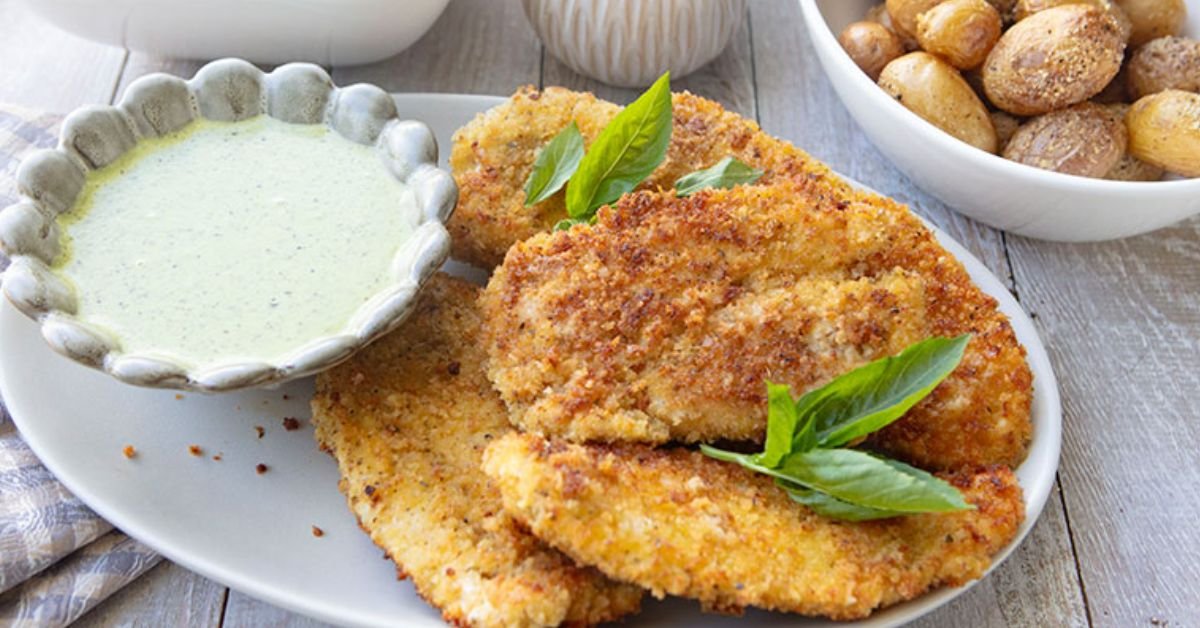
If you’ve been searching for the perfect chicken cutlet recipe that delivers a golden, crunchy crust with juicy, tender meat inside, you are in the right place. Italian style breaded chicken cutlets are one of those comfort foods that feel restaurant quality, yet they’re surprisingly simple to make at home.
These crispy cutlets are a family favorite because they work for everything: quick weeknight dinners, meal prep, sandwiches, or even an elevated Chicken Parmesan. With the right technique and a few Italian secrets, you can achieve that irresistible crunch every single time.
Why These Chicken Cutlets Extra Crispy Every Time

The difference between an average cutlet and an unforgettable one comes down to texture. The best chicken cutlets are crispy on the outside, never soggy, and perfectly cooked inside.
So what makes this chicken cutlet recipe so special? It’s all about layering, preparation, and using the right cooking method.
What makes cutlets crunchy, not soggy
A soggy cutlet usually happens when excess moisture gets sealed under the breading instead of crisping up. To prevent this, it’s important to keep the chicken dry, build the coating in proper layers, and fry at the right temperature. These simple techniques help the cutlets stay golden, crunchy, and never soft or greasy.
- Patting the chicken dry before breading
- Using a proper flour → egg → breadcrumb coating
- Frying at the correct oil temperature
- Letting the cutlets rest on a wire rack (not paper towels)
These small details make a huge difference in crispiness.
Key texture secrets from Italian cooking
Italian kitchens have perfected breaded cutlets over generations by following a few simple but effective techniques. They season each layer of the coating, use finely grated Parmesan for extra flavor and crispiness, and press the breadcrumbs lightly so they stick evenly. These timeless tricks create a golden, crunchy crust that’s full of authentic Italian taste.
Seasoning: Every layer, not just the chicken.
Parmesan: Adding Parmesan cheese directly into the breadcrumbs.
Breadcrumbs: Using fine Italian style breadcrumbs for even coverage.
Pressing: Lightly pressing the coating so it sticks properly.
Result: That’s why Italian style cutlets have a richer flavor and a crunchier bite.
How restaurants achieve that golden crust
Ever notice how restaurant chicken cutlets always turn out perfectly golden and crispy? Chefs use a few simple tricks, like adding Parmesan to the breadcrumbs, letting the cutlets rest before frying, and draining them on a wire rack to keep the crust crunchy. These small steps make a big difference in achieving restaurant-quality results at home.
- They fry in shallow oil at around 350°F (175°C)
- They never overcrowd the pan (temperature stays steady)
- They flip only once for the best crust formation
- They serve immediately while the coating is at peak crunch
By following these same techniques, you can create restaurant style results at home with this easy chicken cutlet recipe.
Ingredients You Need for Authentic Breaded Chicken Cutlets

A truly unforgettable chicken cutlet recipe starts with simple, high quality ingredients. The magic isn’t in anything complicated it’s in the combination of classic Italian pantry staples and the perfect breading layers.
When you choose the right ingredients, you automatically get:
- Better flavor in every bite
- Crispier texture
- Juicier chicken
- That authentic Italian style finish
Let’s break everything down clearly.
The Core Ingredients
These are the must haves for making traditional crispy breaded chicken cutlets.
Chicken breasts or tenderloins
The base of this recipe is lean chicken, and you have two great options:
Boneless, skinless chicken breasts are the most common choice. Chicken tenderloins are already thin and cook quickly.For best results, chicken breasts should be sliced and pounded thin so they cook evenly and stay tender.
Eggs, flour, breadcrumbs
This classic 3-step breading system is what gives cutlets their signature crunch:
- Flour helps the egg stick properly
- Eggs act as the glue for the coating
- Breadcrumbs create the crispy outer shell
This is the foundation of any successful breaded chicken cutlet recipe.
Parmesan, garlic, seasoning
Italian cutlets are all about flavor, and these ingredients take the breading to the next level:
Freshly grated Parmesan cheese, garlic powder or minced garlic, salt and black pepper, and optional paprika for color.Seasoning every layer ensures the cutlets taste amazing not bland.
Optional Flavor Boosters
Want to make your cutlets stand out even more? These add ons can help customize the recipe while keeping it crispy and delicious. You can experiment with fresh Italian herbs for aroma, or add a hint of spice like cayenne or paprika to give the cutlets an extra kick. Even a touch of a fusion twist, like a gochujang glaze, can create a unique flavor without compromising the crunch.
Italian herbs
For a more authentic Italian flavor, mix herbs into the breadcrumb coating:
- Oregano
- Basil
- Parsley
- Italian seasoning blend
This adds aroma and depth without overpowering the chicken.
Spice variations
If you enjoy a little heat or bold flavor, try adding crushed red pepper flakes, cayenne pepper, and smoked paprika. These spices make the cutlets more exciting while still family friendly.
Gochujang style twist
For a modern fusion version, you can add a Korean inspired touch with a pinch of gochujang powder and a drizzle of spicy sweet sauce on top after frying. This creates a crispy cutlet with an unexpected flavor kick perfect for bowls or sandwiches.
Essential Prep Steps Before You Start Cooking

Before you start frying or air frying, proper preparation is the key to turning an average cutlet into a perfectly crispy, restaurant style chicken cutlet. These simple steps may seem minor, but they greatly improve the texture, flavor, and overall crunch of the final result. Taking a few extra minutes at this stage ensures your cutlets cook evenly and stay deliciously golden.
- Crunch level
- Juiciness
- Breading sticking properly
- Even cooking
Let’s go through the most important techniques used in Italian kitchens.
How thin to pound the chicken
One of the biggest secrets to perfect chicken cutlets is thickness. Chicken that is too thick will cook unevenly, stay raw in the center, and burn the coating before the inside is done. The ideal thickness is about ¼ inch (0.6 cm) thin.
Best method:
- Place chicken between two sheets of plastic wrap
- Press the chicken evenly with a meat mallet or rolling pin.
- Keep the thickness even across the whole cutlet
Thin chicken cooks quickly and stays tender exactly what you want in a crispy chicken cutlet recipe.
Why chilling improves breading
This is a unique but powerful Italian trick.After breading the cutlets, let them rest in the fridge for 15–30 minutes before cooking.Chilling helps because the coating sets and sticks better.
Breadcrumbs absorb slightly into the egg layer. The cutlets hold their shape during frying. Less breading falls off in the pan. If you want truly professional level crispiness, don’t skip this step.
Mistakes to avoid before frying
Many people ruin their cutlets before they even start cooking. Here are the most common prep mistakes:
Skipping seasoning in the flour or breadcrumbs. Using wet chicken, which makes the coating slip off. Pressing breadcrumbs too lightly, causing patchy breading. Frying immediately without chilling, leading to coating loss. Overcrowding cutlets on a plate, making them soggy.
Quick Prep Checklist
- Chicken pounded thin
- Breading station ready
- Layers seasoned
- Cutlets chilled before frying
Following these steps guarantees that your chicken cutlet recipe will turn out crispy, golden, and juicy every time.
The Perfect Breading Station (Italian Layer Method)

A perfectly crispy chicken cutlet recipe depends on one key thing: the breading station.
Italian style chicken cutlets are famous because their coating is light, crunchy, and full of flavor.
Using a proper flour, egg, and breadcrumb setup helps the breading stick evenly to the chicken.
This creates a golden crust that stays crisp after cooking. With the right seasoning, every bite becomes deliciously savory and restaurant quality.
This keeps even: Well seasoned.
Attachment: Firmly attached.
Crunch: Extra crunch.
Secret: The secret is using the classic three-layer method and doing it the right way.
Setup: Set up three shallow bowls or plates in this exact order: flour, egg wash, breadcrumb + Parmesan mixture.
Result: This keeps everything organized and tidy while ensuring perfect results.
Flour Layer
The flour layer is the foundation.
It may seem simple, but flour plays an important role:
- Removes surface moisture
- Helps the egg stick evenly
- Creates the first dry coating for crispiness
Pro Tip:
Season the flour with:
- Salt
- Pepper
- Garlic powder
This ensures flavor starts from the very first layer.
Egg Wash Layer
The egg wash is the glue that holds the bread in place.
To make it effective:
- Whisk 2–3 eggs until smooth
- Add a small splash of milk or water for easier dipping
Egg wash helps:
- Breadcrumbs cling tightly
- Coating stay intact during frying
- Cutlets develop a beautiful golden crust
Breadcrumb + Parmesan Layer
This is where the magic happens.
For authentic Italian style crunch, combine:
- Italian breadcrumbs (or panko for extra crispiness)
- Freshly grated Parmesan cheese
- Italian herbs (optional)
- Paprika for color
Why Parmesan matters:
Parmesan melts slightly while cooking, creating:
- Extra crisp edges
- Deep savory flavor
- Restaurant style texture
How to keep breading from falling off
One of the biggest frustrations in any breaded chicken cutlet recipe is coating that slips off in the pan. This usually happens if the chicken is too wet or the breading isn’t pressed firmly.
Chilling the cutlets before frying and flipping them only once can help the coating stay intact. With these simple steps, you can achieve a perfectly crispy crust every time.
To prevent that:
- Pat chicken dry before starting
- Coat lightly in flour (don’t overload)
- Press breadcrumbs firmly onto the chicken
- Chill breaded cutlets for 15–30 minutes
- Flip only once while cooking
These steps lock the crust in place.
Best breadcrumb types for crunch
Not all breadcrumbs are equal. Here’s a quick guide:
| Breadcrumb Type | Texture Result | Best For |
| Italian fine crumbs | Classic, even coating | Traditional cutlets |
| Panko breadcrumbs | Extra crispy, airy crunch | Modern crispy style |
| Homemade crumbs | Rich flavor, rustic texture | Artisan cutlets |
For the crispiest results, many cooks use a mix of Italian crumbs and panko. You can experiment with different breadcrumbs to find your favorite crunch. Adding herbs or spices directly into the crumbs boosts the flavor.
Lightly toasting the breadcrumbs before coating enhances their golden color. Mixing Parmesan cheese into the crumbs gives extra richness and using fresh breadcrumbs creates a better texture than stale ones.
Step by Step Guide to Making Crispy Chicken Cutlets

Now that your chicken is prepped and your breading station is ready, it’s time to bring this chicken cutlet recipe to life.
This is the heart of the process where simple ingredients turn into golden, crunchy cutlets that taste like they came straight from an Italian kitchen.
Below are two of the best cooking methods:
- Classic pan frying (most traditional)
- Air fryer method (lighter, modern option)
Both deliver crispy, delicious results when done correctly.
Pan Frying Method (Classic Italian Style)
Pan frying is the traditional way Italians make breaded chicken cutlets. It creates the crispiest crust with a rich golden color.
Step by step pan frying instructions:
- Heat the oil properly
Add enough oil to cover the bottom of a large skillet, about ¼ inch deep. - Bring oil to the right temperature
The ideal frying temperature is around:
- 350°F (175°C)
- 350°F (175°C)
- If oil is too cold, cutlets absorb grease.
If oil is too hot, the crust burns before the chicken cooks through. - Fry in batches
Place 1–2 cutlets at a time in the pan.
- Do not overcrowd the skillet
- Keep the oil temperature steady
- Do not overcrowd the skillet
- Cook until golden and crisp
Fry each cutlet for:
- 3–4 minutes per side
- 3–4 minutes per side
- Flip only once for the best crust.
- Drain correctly
Transfer cutlets to a wire rack, not paper towels.
This prevents steam from making them soggy.
Pan frying gives this chicken cutlet recipe the classic Italian crunch everyone loves.
Oil temperature tips
To make sure your cutlets stay crispy:
- Use a thermometer if possible
- Test oil with a breadcrumb (it should sizzle immediately)
- Maintain medium high heat throughout frying
Best oils for frying include:
- Canola oil
- Vegetable oil
- Light olive oil (not extra virgin)
How long to fry per side
Thickness matters, but most cutlets need:
- 3–4 minutes on the first side
- 3 minutes on the second side
The chicken should reach an internal temperature of:
- 165°F (74°C)
Air Fryer Method
Want crispy cutlets with less oil? The air fryer is a fantastic alternative.
Air frying is perfect when you want:
- Less mess
- Lower fat cooking
- Quick weeknight preparation
Step-by-step air fryer instructions:
- Preheat air fryer to 400°F (200°C)
- Spray the basket lightly with oil
- Arrange cutlets in a single layer
- Spray the tops with cooking spray for crispiness
- Cook for:
- 8–10 minutes, flipping halfway through
- 8–10 minutes, flipping halfway through
Air frying works especially well for thinner cutlets.
Best air fryer settings
For the best crispy coating:
- Temperature: 400°F
- Flip halfway through
- Use a light oil spray for golden color
When air frying works better than frying
Air frying is a great choice if:
- You want a lighter version of this chicken cutlet recipe
- You’re cooking small batches
- You prefer minimal cleanup
- You don’t want to use much oil
Pan frying is still crispier overall, but air frying is a close second.
Pro Tips for Restaurant Quality Chicken Cutlets

If you want your homemade chicken cutlet recipe to taste like something served in an Italian restaurant, the secret is in the small professional touches. Anyone can bread and fry chicken, but these expert tips ensure your cutlets are extra crispy, flavorful, and perfectly cooked. They help create an even golden crust without sogginess or excess oil, and with a few simple adjustments, your cutlets will look and taste truly restaurant quality.
- Extra crispy
- Perfectly golden
- Juicy inside
- Never greasy or dry
Let’s go through the most important techniques.
Don’t overcrowd the pan
Top with fresh parsley or basil to add a pop of color and a fragrant touch.
When you add too many cutlets at once:
- The oil temperature drops
- The coating absorbs grease
- Cutlets steam instead of fry
- Crispiness disappears
Best practice:
- Fry only 1–2 cutlets at a time
- Leave space around each piece
- Let the oil reheat between batches
This single rule can instantly upgrade your chicken cutlet recipe.
Use a thermometer for doneness
Chicken cutlets cook quickly, so it’s easy to overcook them.
The safest and most accurate way to know they’re done is with a meat thermometer.
- Perfect internal temperature: 165°F (74°C)
This ensures:
- Fully cooked chicken
- Juicy texture
- No dryness
Thin cutlets can go from perfect to dry in just one extra minute, so temperature matters.
Let cutlets rest before serving
Right after frying, the coating is fragile and the juices are still settling.
Let your cutlets rest for 5 minutes on a wire rack.
Resting helps:
Keep the crust crisp, prevent sogginess, lock in moisture, and improve flavor.
Just like steak, chicken benefits from resting too.
Bonus Restaurant Secrets (Extra Engagement)
Want that true chef level finish? Try these:
- Add lemon zest to breadcrumbs for brightness
- Mix panko + Italian crumbs for maximum crunch
- Serve with fresh parsley and a squeeze of lemon
- Use Parmesan in the breading for bold Italian flavor
These small upgrades make this chicken cutlet recipe unforgettable.
Chicken Cutlet Mistakes and How to Avoid Them

Making chicken cutlets is simple, but a few small errors can affect the final result. If your cutlets aren’t turning out crispy, or they feel oily or dry, don’t worry. These common problems have quick and easy fixes so you can achieve perfect cutlets every time.
Problem: The coating separates while cooking
When the breading slips off, it’s usually because the layers didn’t bind properly.
Main reasons include that the chicken wasn’t dried before coating, flour was not used as the first step, breadcrumbs were applied too lightly, and the oil wasn’t hot enough to seal the crust.
What to do instead:
- Remove all moisture from the chicken with paper towels
- Start with flour to create a base for the egg
- Press the crumbs firmly so they hold
- Let the coated cutlets rest in the fridge before frying
- Turn them only once to keep the crust intact
Problem: Cutlets absorb too much oil
If cutlets taste greasy, the oil temperature is usually the culprit.
To prevent this:
- Heat oil to the correct frying temperature (about 350°F / 175°C)
- Avoid adding too many cutlets at once
- Place cooked cutlets on a rack so excess oil drains naturally
Problem: Chicken turns out dry
Because chicken breast is lean, it can lose moisture fast if cooked too long.
For tender cutlets, pound the chicken evenly without making it paper thin. Cook only until the internal temperature reaches 165°F. Remove immediately once fully cooked. Let the meat rest briefly before serving.
Fast Fix Reference Table
| Issue | Likely Cause | Simple Fix |
| Breading comes off | Moist surface or weak coating | Dry chicken + chill before frying |
| Too oily | Oil temperature too low | Fry at 350°F |
| Dry texture | Overcooking | Use thermometer + resting time |
| Soft crust | Pan overcrowding | Cook in smaller batches |
Serving Ideas: What to Pair with Chicken Cutlets

A great chicken cutlet recipe isn’t just about crispy chicken it’s also about what you serve it with. The right accompaniments elevate your meal from simple fried chicken to an Italian inspired feast.
Pair your cutlets with fresh salads, pasta, or roasted vegetables for a balanced plate, and don’t forget a squeeze of lemon or a flavorful sauce to make every bite even more delicious. Here are some of the best ways to serve your crispy breaded chicken cutlets:
Pasta with Marinara
- Classic Italian combination: Chicken cutlets + tomato sauce + pasta
- Try spaghetti, penne, or fettuccine
- Sprinkle with fresh basil and Parmesan for a restaurant feel
- Perfect for family dinners or casual entertaining
Tip: Make a quick homemade marinara by sautéing garlic and onions, adding crushed tomatoes, and simmering with herbs.
Salad or Roasted Vegetables
- Lighten up the meal with a fresh side
- Arugula, spinach, or mixed greens tossed with lemon vinaigrette pair beautifully
- Roasted veggies such as zucchini, sweet bell peppers, or asparagus bring vibrant color, extra nutrition, and a deliciously fresh balance to the meal.
- keeps the meal balanced without losing flavor
Sandwich Style Cutlet Meals
- Layer your crispy cutlets on crusty bread or ciabatta
- Add lettuce, tomato, and a drizzle of garlic aioli
- Optional: top with mozzarella or provolone cheese for a hot sandwich
- Great for lunches, picnics, or casual dinners
Tip: Use leftover cutlets for sandwiches they reheat beautifully in a toaster oven or air fryer.
Chicken Parmesan Upgrade
- Turn your cutlets into a classic Chicken Parmesan
- Top with marinara and mozzarella, then broil until bubbly and golden
- Serve over spaghetti or with garlic bread
- A favorite at Italian restaurants that you can recreate at home
Extra Presentation Tips (Spicy Engagement)
- Garnish with freshly chopped parsley or basil
- Serve lemon wedges on the side for a bright flavor
- Drizzle with a little high quality olive oil for extra richness
These small touches make your meal visually appealing and incredibly flavorful.
Make-Ahead, Storage, and Reheating Instructions

One of the best things about this chicken cutlet recipe is how versatile it is for meal prep. With the right storage and reheating techniques, you can enjoy crispy, restaurant quality cutlets even days later.
Whether you’re cooking for a weeknight dinner, batch prepping for the week, or storing leftovers, these tips will help you maintain crunch and flavor.
Storing in the Fridge
Let the cooked cutlets cool completely before storing. Place them in an airtight container or wrap individually in foil. Store for up to 3–4 days. Layer cutlets with parchment paper to prevent sticking.
Pro Tip: Refrigerated cutlets retain most of their crispiness if briefly reheated in an oven or air fryer rather than microwaving directly.
Freezing for Later
Freeze fully cooled cutlets on a baking sheet for 1–2 hours for flash freezing. Transfer them to a freezer safe container or bag. Store for up to 3 months. Freeze individually to make reheating easier.
Pro Tip: For best results, freeze before adding any sauce. Sauces can make the coating soggy.
Best Way to Reheat Without Losing Crispiness
- Oven method: Preheat oven to 375°F (190°C). Place cutlets on a wire rack over a baking sheet. Bake for 10–12 minutes.
- Air fryer method: Preheat air fryer to 375°F (190°C). Heat cutlets for 5–7 minutes, flipping halfway through.
- Avoid microwaving unless necessary, as it softens the bread.
Extra Tip: Lightly spray cutlets with oil before reheating to restore that golden crunch.
Following these storage and reheating methods ensures that your chicken cutlet recipe tastes just as good the next day, making it perfect for meal prep or family dinners.
You Can Cook Like an Italian at Home

Making restaurant quality chicken cutlets at home is easier than you think. With the right technique, quality ingredients, and a few Italian secrets, anyone can create crispy, flavorful cutlets that impress family and friends.
The key is taking your time with preparation, seasoning each layer well, and cooking them to a perfect golden finish. Once you master the breading and frying process, you can enjoy this classic dish anytime. Serve them with your favorite sides, and you’ll have a meal that feels truly special.
Encouraging Wrap Up
This chicken cutlet recipe proves that simple ingredients can create extraordinary meals. Proper preparation and technique are key to perfect results. You don’t need a professional kitchen to achieve restaurant style crispiness.
Whether you’re making a quick weeknight dinner or preparing a special meal, following these steps guarantees:
- Golden, crunchy coating
- Juicy, tender chicken
- Flavors that bring Italian cuisine right to your table
Why This Recipe is a Family Favorite
It’s versatile and can be served with pasta, salads, or sandwiches. Kid friendly and approved by adults. Great for meal prep or dinner parties. Easy to customize with your favorite herbs, spices, or sauces.
By mastering this chicken cutlet recipe, you gain a recipe that’s both reliable and exciting, making it a staple in your home cooking repertoire.
Final Tip for Extra Flavor
- Serve with a squeeze of fresh lemon or a drizzle of high quality olive oil
- Place the cutlets on a wire rack placed over a baking sheet and bake for 10–12 minutes until thoroughly warmed.
- Pair with your favorite side for a complete Italian style meal
With these finishing touches, you’re not just cooking chicken, you’re creating an experience.
FAQs:
1. Can I bake chicken cutlets instead of frying?
Yes, baking at 400°F (200°C) works, especially for thinner cutlets, but pan frying or air frying gives a crispier crust.
2. Which oil is best for frying cutlets?
Neutral oils like canola or vegetable work well, while light olive oil adds a subtle Italian flavo
3. How can I make chicken cutlets gluten-free?
Use gluten-free flour and breadcrumbs, like almond or chickpea flour, and follow the same breading method.
4. Can I freeze cooked cutlets?
Yes, cool completely, freeze individually or in layers, and reheat in the oven or air fryer to maintain crispiness.
5. How thin should I pound the chicken?
Aim for about ¼ inch thickness for even cooking and tender, juicy results.
