
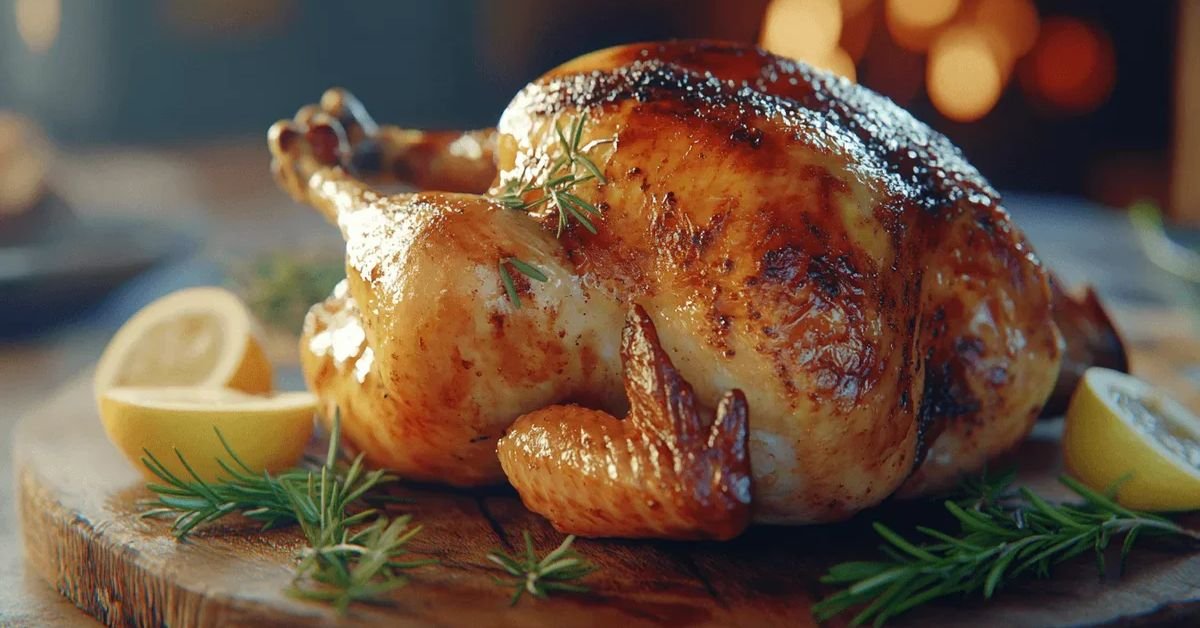
Rotisserie chicken recipes will surprise you because you can make an even better version at home. You don’t need a fancy rotating spit or a professional rotisserie machine. With a standard kitchen oven and a few simple ingredients, you can achieve that classic rotisserie style flavor and texture.
Making your own rotisserie chicken is not only more affordable than buying one from the store, but it’s also much healthier because you can control the amount of salt and the quality of the oil used.
The Secret to Perfect Oven Roasted Rotisserie Chicken Recipes

The key to achieving a rotisserie style finish in a regular oven is starting with high heat and then roasting steadily. This method helps the skin release its natural fat and turn perfectly crispy while keeping the meat juicy and tender.To enhance the flavor, you can rub the chicken with a mix of herbs, spices, and a little olive oil before roasting.
Basting the chicken occasionally adds extra moisture and richness. Using a wire rack allows air to circulate evenly, giving a uniform golden color. Finally, letting the chicken rest after cooking helps lock in the juices for the most succulent result.
- Preparation Time: 15 minutes
- Cook Time: 1 hour 15 minutes
- Total Time: 1 hour 30 minutes
- Servings: 4 people
Ingredients You Will Need for Rotisserie Chicken Recipes
- 1 Whole Chicken: Approximately 3 to 4 lbs (1.5 to 2 kg).
- Olive Oil or Melted Butter: 3 tablespoons (This helps the skin crisp up).
- Rotisserie Seasoning Rub:
- 1 tbsp Salt
- 1 tbsp smoked paprika for a deep red color
- 1 tsp Black Pepper
- 1 tsp Garlic Powder
- 1 tsp Onion Powder
- 1 tsp Dried Thyme or Oregano
- 1 tbsp Salt
- Optional: Half a lemon and a few cloves of garlic to put inside the cavity for extra aroma.
Rotisserie Chicken Recipes: Instructions on How to Cook It
- Preheat and Prep: Set your oven to 425°F (220°C). Take the chicken out of its packaging and thoroughly pat it dry using paper towels
- Season the Bird: Rub the olive oil or butter all over the chicken. Mix your seasoning ingredients in a small bowl and sprinkle the mixture generously over the entire chicken, including the underside. For the best flavor, rub some seasoning under the skin of the breast as well.
- Trussing (Optional but Recommended): Tie the legs together with kitchen twine and tuck the wing tips under the body. This helps the chicken cook evenly and keeps it looking like a professional rotisserie bird.
- The Roasting Process: Place the chicken on a rack inside a roasting pan. If you don’t have a rack, you can sit the Rotisserie chicken recipes on top of thick slices of onions or potatoes.
- Bake: Put it in the oven and roast for about 1 hour to 1 hour and 15 minutes.
- Check for Doneness: The chicken is ready when the internal temperature reaches 165°F (74°C) at the thickest part of the thigh.
- The Important Rest: Once out of the oven, let the chicken rest for at least 15 minutes before carving. This allows the juices to redistribute so the meat stays tender.
What to Serve with Rotisserie Chicken Recipes

Serve it alongside buttery mashed potatoes for a comforting touch. Roasted or steamed vegetables add color and nutrients to your plate. A fresh green salad provides a light, crisp contrast to the rich chicken. Don’t forget warm dinner rolls or garlic bread to soak up every bit of flavor.
To make this a complete meal, pair your Rotisserie chicken recipes with these classic sides:
- Creamy Mashed Potatoes: The gravy from the chicken drippings goes perfectly with smooth potatoes.
- Roasted Vegetables: Toss carrots, broccoli, and bell peppers in the same oven.
- Fresh Garden Salad: A light balsamic vinaigrette balances the richness of the roast chicken.
- Garlic Bread: Perfect for soaking up the juices left on the plate.
Storing and Reheating Tips
- Fridge: Store leftovers in an airtight container for up to 3–4 days.
- Reheating: To keep it from drying out, reheat slices in the oven at 350°F with a splash of chicken broth or water, covered with foil.
- Freezing: You can freeze shredded rotisserie chicken for up to 3 months for use in soups or stews.
Pro Tips for Success
- The Broil Trick: If the skin isn’t crispy enough at the end, turn on the oven’s broiler for the last 2-3 minutes. Watch it closely so it doesn’t burn!
- Save the Bones: Don’t throw away the carcass. You can boil it with water and veggies to make a delicious homemade chicken stock.
- Leftover Ideas: If you have leftovers, use the shredded meat for tacos, chicken salad, or creamy pasta the next day.
Conclusion
Making rotisserie style chicken in your oven is simple, cost effective, and much tastier than store bought options. It’s ideal for family meals, meal prep, or a special weekend dinner. Each piece comes out juicy, flavorful, and perfectly tender. You can skip the pre cooked chicken from the store entirely!
Cooking at the right temperature gives you golden, crispy skin while locking in the meat’s natural juices. You can season it with your favorite herbs and spices for a personal touch. The aroma while it roasts will fill your kitchen and make everyone hungry. Homemade rotisserie chicken is delicious, wholesome, and a healthier alternative for any gathering or everyday meal.
FAQs
Q1: Do I need a rotisserie rod to make this at home?
No! You can easily make rotisserie style chicken in a standard oven using a roasting pan or even a large baking dish.
Q2: How do I make the chicken skin extra crispy?
The secret is to pat the chicken completely dry with paper towels before applying oil and spices. You can also broil the chicken for the last 2 minutes of cooking.
Q3: How long does a 3lb chicken take to cook in the oven?
At 425°F (220°C), a 3lb to 4lb chicken usually takes between 1 hour and 1 hour and 15 minutes. Always check if the internal temperature has reached 165°F.
Q4: Should I cover the chicken with foil while roasting?
No, do not cover the chicken. Leaving it uncovered allows the heat to circulate around the skin, making it crispy and golden brown.
Q5: How do I know if the chicken is cooked without a meat thermometer?
If you don’t have a thermometer, pierce the thickest part of the thigh with a skewer or knife. If the juices run clear (not pink or bloody), the chicken is done. Also, the legs should wiggle easily in their sockets when you move them.
